Early recovery can make the world feel small. For many men, the months or years before treatment were spent mostly indoors: in rooms, in cars, in their own heads. Getting sober opens the door again, but it doesn't always tell you what to do once you walk through it.
At Recovery Nexus, a lot of the answer is outside. Our founders chose Colorado for a reason. In their own recovery, the connection they built through shared experiences changed everything, and the mountains here make those experiences easy to find. Here's what the research says about time outdoors, and why we think it matters so much for a man rebuilding his life.
Movement helps the body and the mind
Early recovery often comes with restlessness, poor sleep, anxiety and low mood. Physical activity won't make those disappear, but there is good evidence that it helps. A 2014 meta-analysis of 22 randomized controlled trials, published in PLoS One, found that exercise was associated with higher abstinence rates and with lower anxiety and depression in people with substance use disorders. The authors noted that results varied by substance and that more research is needed, but the overall picture was encouraging.
The CDC recommends that adults get at least 150 minutes of moderate-intensity activity a week, plus two days of muscle-strengthening activity. A morning hike, a day on the river or an afternoon on the rock goes a long way toward that, and it rarely feels like a workout when you're doing it with friends.
Time in nature, not just time outside
There's also something about natural places themselves. A large 2019 study in Scientific Reports, drawing on nearly 20,000 adults in England, found that people who spent at least 120 minutes a week in nature were more likely to report good health and high wellbeing than people who spent none. It didn't matter whether those two hours came in one long visit or several shorter ones.
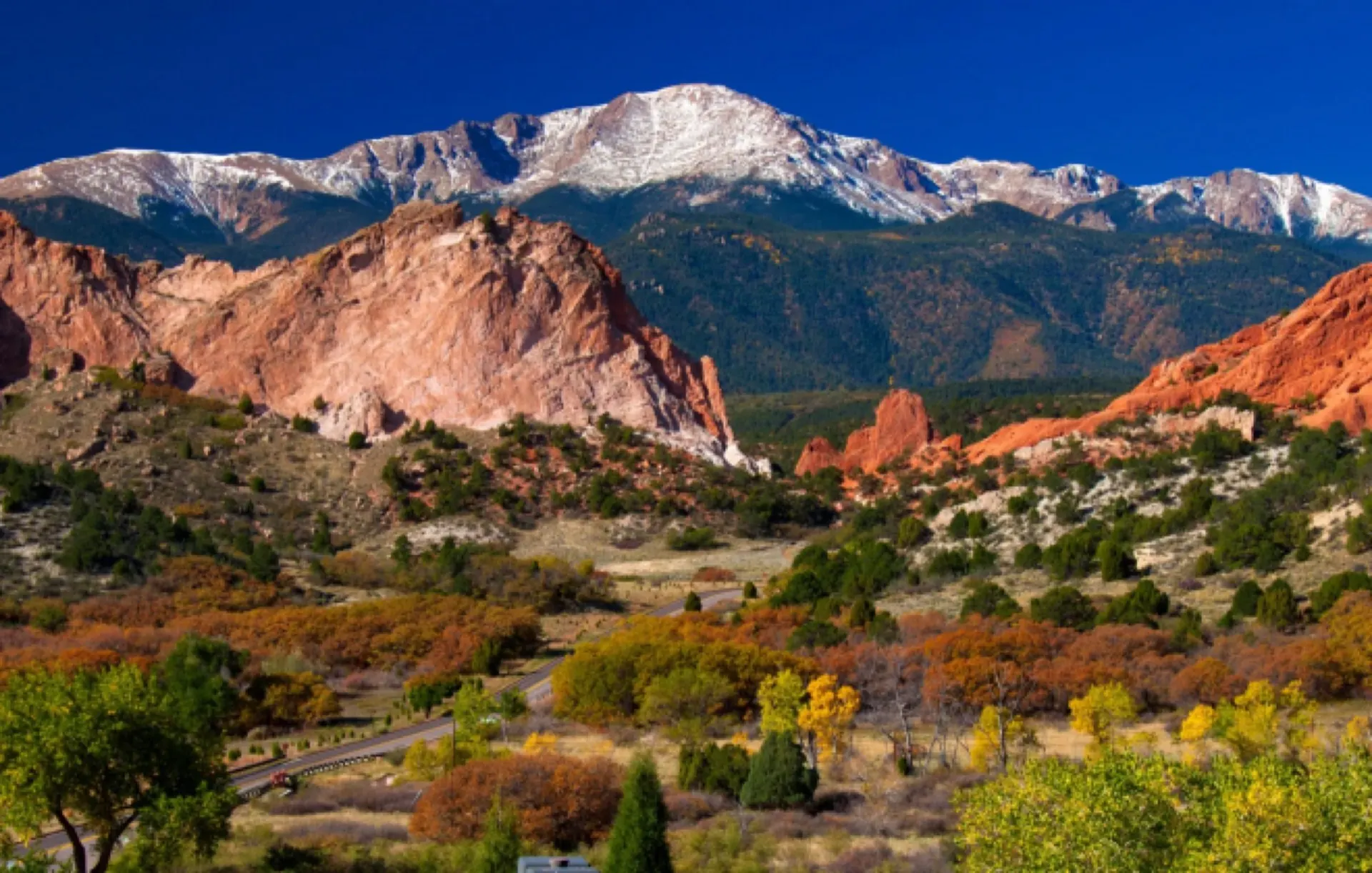
The study was observational, so it can't prove that nature causes the benefit. But it fits what many men in recovery describe: a quieter head, a little more perspective, and the sense that their problems aren't the only thing in the world. In Colorado, those two hours are never far away. A trail, an alpine lake, a stretch of river or a view of Pikes Peak is usually a short drive from wherever you are.
Shared challenge builds brotherhood
SAMHSA describes four dimensions that support a life in recovery: health, home, purpose and community. Community, in SAMHSA's words, means "relationships and social networks that provide support, friendship, love, and hope."
Outdoor experiences are one of the fastest ways we know to build that. When a group of men faces the rapids together, belays each other up a rock face, or stands in a cold river at dawn waiting for the first fish, something changes between them. They have to communicate. They have to trust each other. They see each other struggle, and they see each other push through.
That matters, because isolation is one of the hardest parts of early recovery. A brotherhood built on real shared experiences is much harder to walk away from than one built on schedules alone. The stories from those days become the ones men tell each other for years.
Proof that sober life can be fun
Many men arrive believing, somewhere deep down, that a sober life will be a smaller one. Fewer good nights. Less excitement. Nothing much to look forward to.
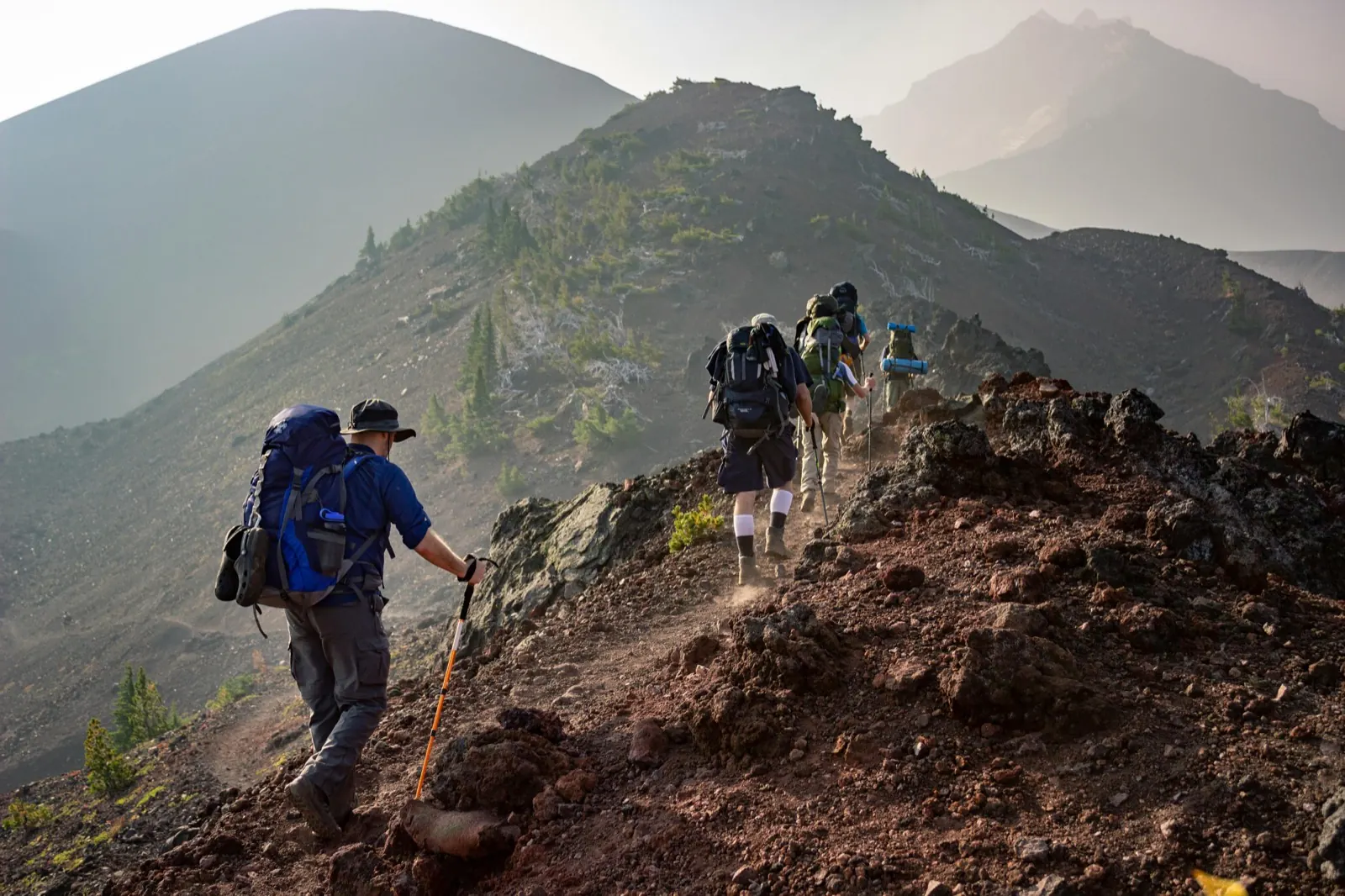
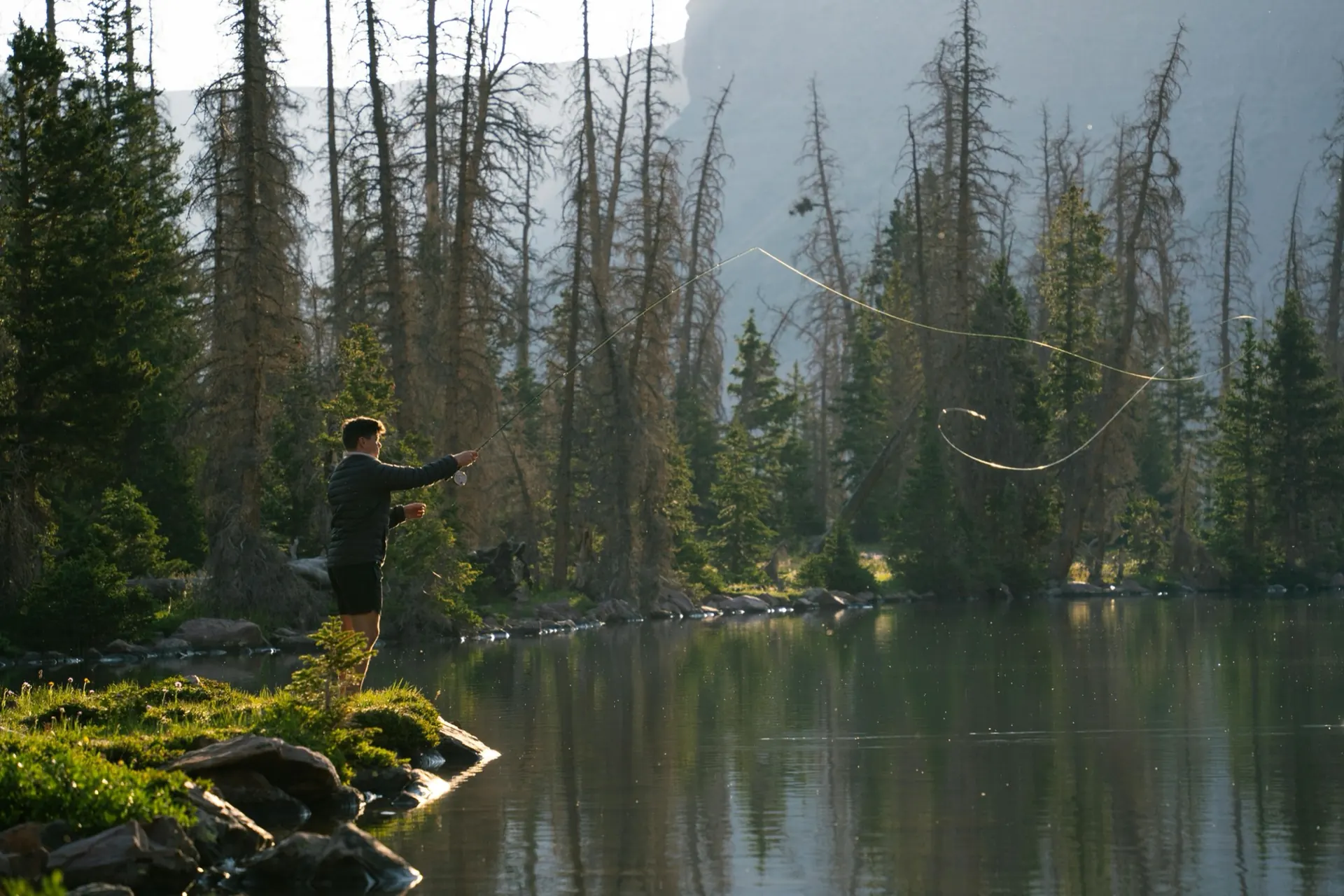
The outdoors is one of the best answers to that fear. Through our experiential partner, Adventure Recovery, residents go fly fishing, rock climbing, hiking and white water rafting with expert guides, and in winter they take to Colorado's mountains on skis and snowboards. Fly fishing teaches patience and focus. Climbing teaches you to take the next hold and stop worrying about the summit. A day on the slopes is pure, sober exhilaration. None of it is there to fill time. It's there to show a man what his life can feel like now. You can see more on our experiential programming page.
For families, these experiences can be a quiet turning point too. Hearing your son talk about the river he rafted or the route he climbed, rather than everything he feels he's lost, is often a sign that something is starting to shift.
Bringing the outdoors home
The goal isn't for every man to become a mountaineer. It's for him to leave with habits he can keep. Before a man leaves Recovery Nexus, we build an aftercare plan together, and for many men that includes regular time outside: a weekly hike with friends from recovery, a fishing spot close to home, a gym or climbing wall where people know his name. Small, steady habits that support his health, his purpose and his community.
If you're considering transitional living, for yourself or for someone you love, and you'd like to know more about life at Recovery Nexus, call us at (719) 752-8937 or send a confidential enquiry. We're always glad to talk it through.