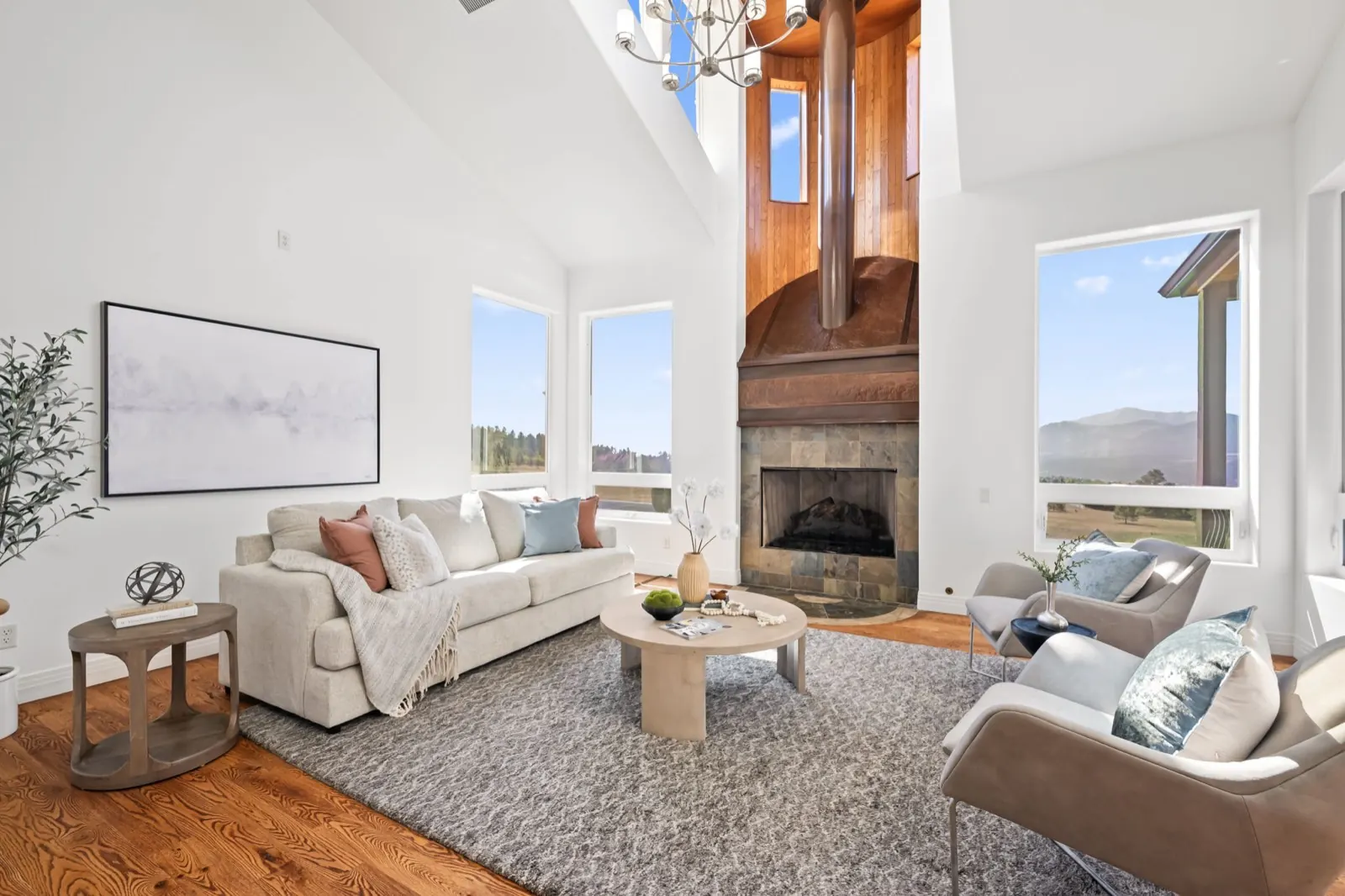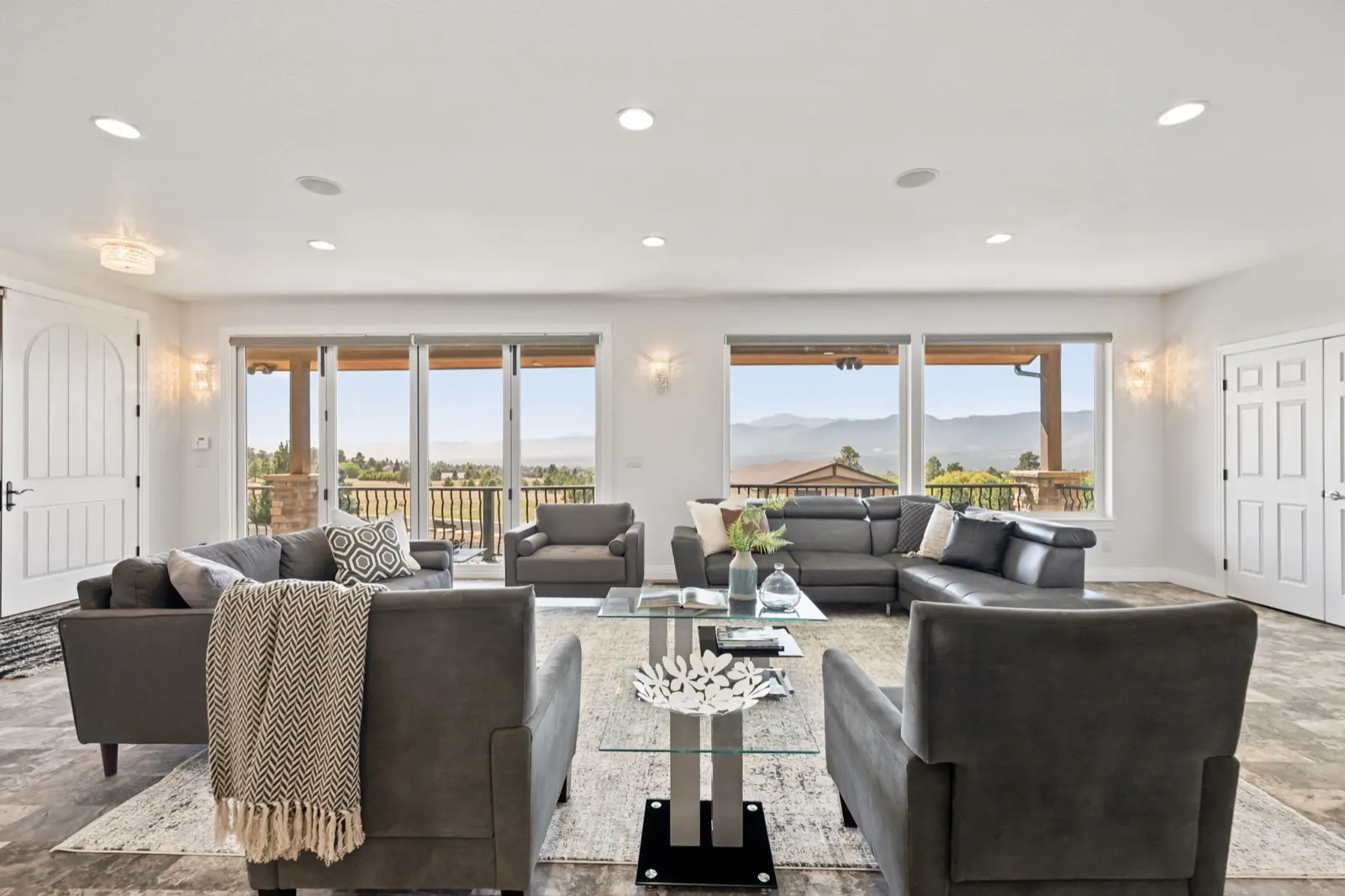
When someone finishes detox or a treatment program, the question of what comes next arrives fast. Going straight home can feel too soon, and as families start researching options, two terms come up again and again: sober homes and transitional living.
They sound similar, and both offer a safe, substance-free place to live. But they're built for different moments in recovery, and choosing the right one can make a real difference.
What a sober home offers
A sober home, often called sober living, is a substance-free house where people in recovery live together under shared rules: staying sober, contributing to the household, and often attending meetings. Residents usually work or go to school during the day and manage their own therapy, appointments and daily life outside the house.
That independence is the point. For a man who is further along in his recovery, with a steady routine and support already in place, a sober home can be a great option: a safe place to sleep at night, among people who share the same commitment.
What transitional living adds
Transitional living is designed for an earlier stage: the stretch between intensive treatment and independent life, when a man still needs structure and support while he builds the skills recovery depends on. It's not just housing. It's a program. At Recovery Nexus, that means:
- Clinical care on site. Residents meet with licensed therapists for individual sessions up to twice a week, plus group sessions and psychoeducation, all at the residence. There are no 20-minute car rides to appointments and no gaps in care.
- Structure and a daily schedule, so days have purpose and accountability is built in.
- Life skills. A large part of the program focuses on the practical side of everyday life: cooking, budgeting, taxes, dating and more. These are the things that are easy to overlook, and hard to manage when they all arrive at once.
- Family programming. Addiction affects the whole family, and so does recovery. Families stay involved, which most sober homes aren't set up to offer.
Two different levels of support
The National Alliance for Recovery Residences (NARR), whose standards underpin recovery residence certification in Colorado, describes four levels of support. At one end are peer-run homes, where residents govern themselves. At the other are residences that add staff structure, life-skills development and clinical services.
Sober homes generally sit toward the lighter-support end of that range. Transitional living with on-site clinical care sits toward the higher-support end. Neither is "better"; they're designed for different needs.
Recovery Nexus is CARR certified and provides care at ASAM Level 3.1. That's the American Society of Addiction Medicine's level for clinically managed, low-intensity residential care: a structured living environment with clinical services built into every week.
Which one is right?
A few questions can help, whether you're deciding for yourself or for someone you love:
- How recently did treatment end? Right after detox or residential treatment, the structure and on-site clinical support of transitional living usually make sense.
- Is therapy already in place? A sober home assumes you'll arrange your own. Transitional living builds it in.
- Does everyday life feel manageable yet? If budgeting, cooking, work and appointments still feel like a lot, life-skills work helps.
- How involved does the family want to be? Family programming keeps families part of the process.
A bridge, not a destination
Transitional living isn't meant to last forever. Its job is to prepare you for whatever comes next: a sober home, an apartment of your own, going home, or another next step entirely.
At Recovery Nexus, the minimum stay is 30 days and the program is designed around a 90-day track, with length of stay based on each man's progress rather than a fixed date. Before a man leaves, we build an aftercare plan together, and he stays part of our alumni brotherhood long after graduation.
If you're trying to work out the right next step, for yourself or for someone you love, call us at (719) 752-8937 or send a confidential enquiry. We'll help you think it through, even if the answer turns out to be somewhere else.